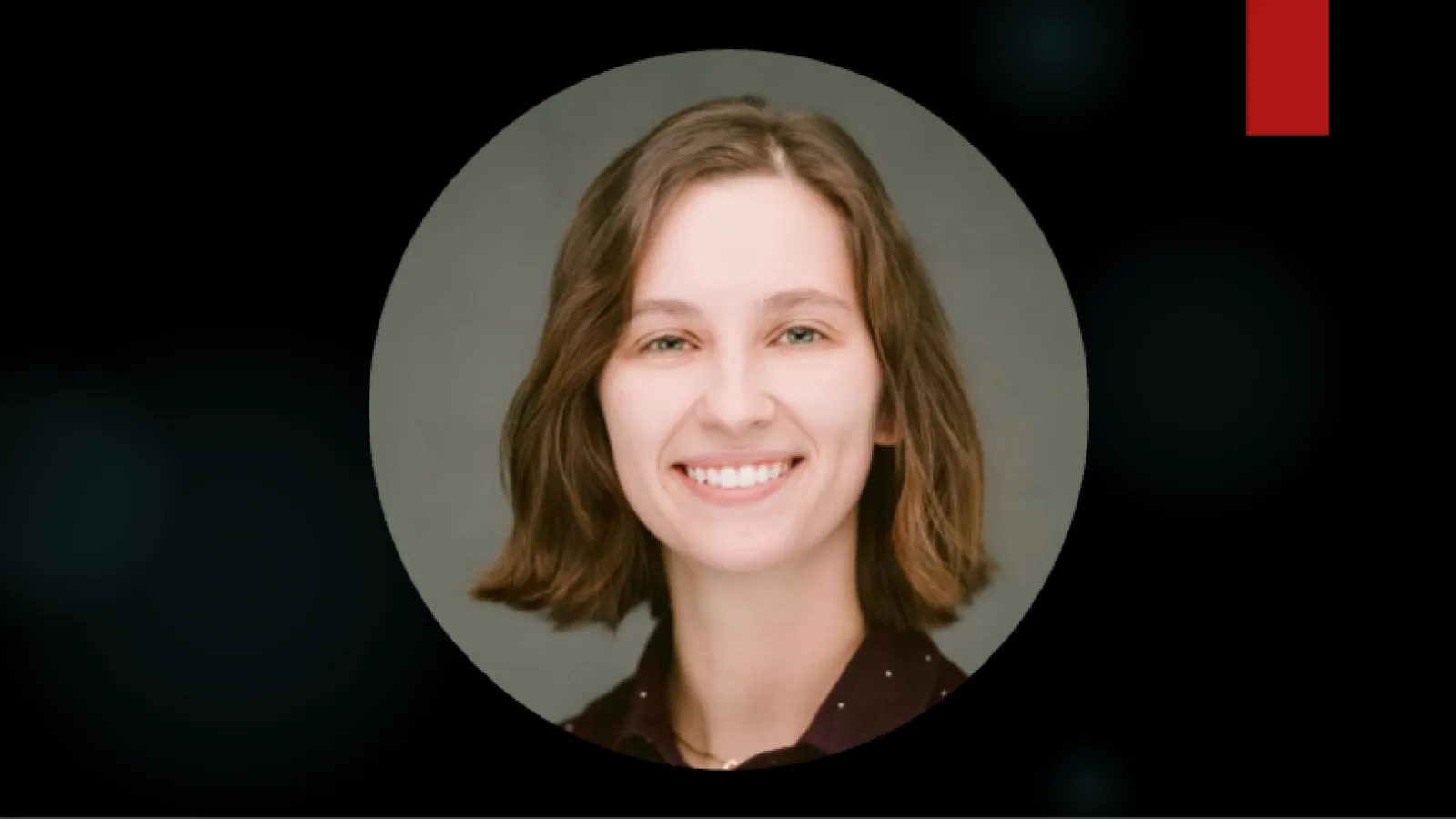
Trainee Spotlight: Olivia Horn

Olivia Horn, a fourth year graduate student with Dr. Scott Hayes, was awarded the highly competitive National Institutes of Health National Research Service Award Individual Predoctoral (NIH-NRSA F31) Fellowship. F31 applications undergo a rigorous NIH peer review process and awardees are selected based on academic excellence, innovative research, and potential to become independent scientists.
Congratulations Olivia on this momentous achievement!
Can you give a brief summary of what research this award supports?
Greater physical activity, reduced sedentary behavior, and sufficient sleep are each related to improved cognitive function and white matter health. However, it remains unclear how the daily balance of these behaviors in a 24-hour day influences cognitive and brain aging. The proposed research will examine cross-sectional and longitudinal associations between 24-hour activity cycle patterns, cognition, and white matter microstructure across adulthood. Additionally, the project will identify key moderators of these relationships, such as age and genetic risk for Alzheimer’s disease.
What do you hope this research will help us better understand/what impact do you hope this research will have?
My hope is that understanding the tradeoffs of engaging in these different modifiable lifestyle behaviors will inform interventions and public health policies to promote healthy cognitive and brain aging. In addition, investigating individual characteristics, such as age and genetic risk for Alzheimer’s disease, will provide insight into who is most likely to benefit from lifestyle changes.
What does getting this award mean to you/what will it enable you to do?
It’s an honor to receive this fellowship and have my research interests receive recognition. This award will allow me to focus on my research, training, and professional development over the next two years. I’m grateful for this opportunity and excited to advance our understanding of the 24-hour activity cycle, cognition function, and brain health.
What advice do you have for other students who are interested in applying for grants/fellowships?
My biggest piece of advice is to make your materials easy to read for a broad audience. Reviewers may not have expertise in your specific area of research, and they may be reviewing a lot of proposals at once. Consistent formatting, clear and concise language, and visuals like figures and bold text can help reviewers quickly understand and remember your proposal.