Research Groups
Lisa Christian
Stress, Health, and Aging Lab
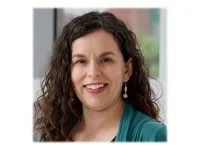
Directed by Lisa Christian, PhD, the Stress, Health, and Aging Lab investigates how chronic stress, mood and anxiety disorders, and sleep disturbance interact bidirectionally with immune and neuroendocrine processes to influence physical health, mental health, and aging across the lifespan. Using psychoneuroimmunology (PNI) approaches, her research examines how stress “gets under the skin” among caregivers of spouses with dementia, individuals coping with cancer, pregnant women, and people exposed to chronic stress or discrimination related to race/ethnicity, sexual minority status, or financial strain. The overarching goal of this work is to identify key biological and behavioral pathways linking stress to health and aging to address health disparities and inform targeted behavioral interventions.
Highlighted Publications
Christian, L.M., Morgan, E., Andridge, R.R., Peng., J., Marlar, J., Manning, W.D., Cole, S.W., McDade, T.W & Kamp Dush, C.M. (in press) The National Couples’ Health and Time Stress Biology Study (NCHAT-BIO): Wave 1 Methodology Report and Wave 3 Preview. Biopsychosocial Science & Medicine.
King, A.P., Langenecker, S.A., Gorka, S., Turner, J., Want, L., Wastler, H. Gonzalex, M.R., Christian, L.M, [52 others], Maynard-Wentzel, G., Kragulijac, N., & Phan, K.L. (2025). The State of Ohio Adversity and Resilience (SOAR) Study Protocol: A Comprehensive, Multimodal, Family-based, Longitudinal Observational Investigation of Risk and Resilience in Mental Health and Substance Use Disorders. BMJ Open, 2025 Nov 19;15(11):e099525.
Christian, L.M., Wilson, S.J., Madison, A.A., Prakash, R.S., Burd, C.E., Rosko, A.E., & Kiecolt-Glaser, J.K., (2023). Understanding the Health Effects of Caregiving Stress: New Directions in Molecular Aging. Ageing Research Reviews, 2023 Dec;92:102096.
Jay Fournier
Dr. Fournier
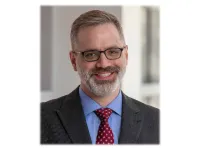
My research program focuses on identifying patient characteristics that are associated with differential response to treatments for depression and related disorders. In addition, my work investigates the neural and behavioral mechanisms through which those characteristics either facilitate or inhibit response to relevant treatments. As such, my research bridges work in clinical interventions, mood disorders, personality and neuroscience.
The ultimate goal of my work is to develop more effective treatment strategies that can be tailored to he unique needs of individual patients.
Julie Golomb
Cognitive & Neuroscience Lab
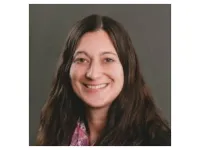
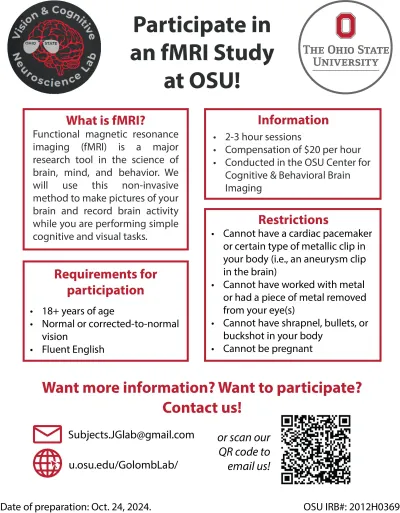
The Vision & Cognitive Neuroscience Lab uses perceptual and computational cognitive neuroscience techniques to investigate human visual processing. Research topics include how visual properties such as color, shape, and spatial location are perceived and coded in the brain, and how these representations are influenced by eye movements, shifts of attention, and other dynamic cognitive processes.
Meet the Lab video
Highlighted Publications
Narhi-Martinez, W., Choi, Y.M., Dube, B., and Golomb, J.D. (2025). Allocation of Spatial Attention in Human Visual Cortex as a Function of Endogenous Cue Validity. Cortex; a journal devoted to the study of the nervous system and behavior, 185, 4–19
Chen, J., and Golomb, J.D (2023). Dynamic neural reconstructions of attended object location and features using EEG. Journal of Neuropsychology. 130(1), 139-154.
Dube, B. , Pidaparthi, L. , and Golomb, J.D. (2022). Visual distraction disrupts category-tuned filters in ventral visual cortex. Journal of cognitive neuroscience, 34(8), 1521–1533.
Participate in a study
Stacy Harnish
Aphasia Lab
The Aphasia Laboratory at The Ohio State University is directed by Dr. Stacy Harnish, CCC-SLP and is dedicated to researching ways to maximize the benefits of aphasia therapy. We are committed to the study of assessment and treatment of language and cognitive impairment in individuals with aphasia. We hope to collaborate with other departments and laboratories, here at Ohio State and elsewhere in the nation, to foster a more interdisciplinary approach to aphasia rehabilitation. The Aphasia Laboratory is located in the Speech and Hearing Sciences Department in Pressey Hall on West Campus. We encourage you to browse our website to learn more about the work we have been doing!
Meet the Aphasia Lab video
Jasmeet Hayes
MINDSET Lab
The MINDSET lab (MRI Investigation of Neurodegenerative Disease, Stress Effects, and Traumatic Brain Injury) aims to understand the impact of traumatic brain injury, psychological stress on the brain, and overall health outcomes. We employ techniques such as MRI to investigate the neural underpinnings of cognitive processes like memory, attention, social, and emotional processes. We also explore genetic and epigenetic factors moderating outcomes following injury and throughout the aging process.
Meet the MINDSET Lab video
Highlighted Publications
Moody, J.N., Howard, E., Nolan, K., Prieto, S., Logue, M., & Hayes, J.P. (2024). Traumatic brain injury and genetic risk for Alzheimer’s disease impact CSF β-Amyloid levels in Vietnam War Veterans. Neurotrauma Reports, 5(1), 760-769.
Hayes, J. P., Pierce, M. E., Brown, E., Salat, D., Logue, M. W., Constantinescu, J., Valerio, K., Miller, M. W., Sherva, R., Huber, B. R., Milberg, W., & McGlinchey, R. (2023). Genetic risk for Alzheimer disease and plasma tau are associated with accelerated parietal cortex thickness change in middle-aged adults. Neurology Genetics, 9(1), e200053.
Hayes, J. P., Pierce, M. E., Valerio, K. E., Miller, M. W., Huber, B. R., Fortier, C. B., Fonda, J. R., Milberg, W., & McGlinchey, R. (2022). The association between blast exposure and transdiagnostic health symptoms on systemic inflammation. Neuropsychopharmacology, 47(9), 1702–1709.
Participate in a Study
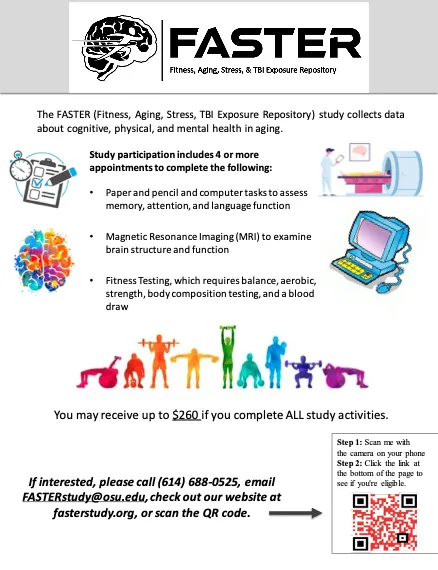
Scott Hayes
Buckeye Brain Aging Lab (B-BAL)
The Buckeye Brain Aging Lab (B-BAL) examines age-related changes in memory and the brain, variables that optimize cognitive and brain health (cardiorespiratory fitness, mobility, strength), and the neural correlates of memory in healthy and patient populations.
Highlighted Publications
Hayes, S. M., Hayes, J. P., Williams, V. J., Liu, H., & Verfaellie, M. (2017). FMRI activity during associative encoding is correlated with cardiorespiratory fitness and source memory performance in older adults. Cortex, 91, 208-220. doi:10.1016/j.cortex.
Hayes, S. M., Salat, D. H., Forman, D. E., Sperling, R. A., & Verfaellie, M. (2015). Cardiorespiratory fitness is associated with white matter integrity in aging. Ann Clin Transl Neurol, 2(6), 688-698. doi:10.1002/acn3.204
Palombo, D. J., Hayes, S. M., Reid, A. G., & Verfaellie, M. (2019). Hippocampal contributions to value-based learning: Converging evidence from fMRI and amnesia. Cogn Affect Behav Neurosci, 19(3), 523-536. doi:10.3758/s13415-018-00687-8
Participate in a Study
Hsin-Hung Li
Dr. Li
We are the research group of Dr. Hsin-Hung Li in the Department of Psychology at The Ohio State University. We aim to understand the computational and neural mechanisms underlying decision-making, metacognition and top-down modulations on the visual system. We utilize techniques ranging from behavioral measurements (psychophysics, eye tracking), computational modeling to neuroimaging (fMRI, EEG).
Highlighted Publications
Li, H. H., Sprague, T. C., Yoo, A. H., Ma, W. J., & Curtis, C. E. (2025). Neural mechanisms of resource allocation in working memory. Science advances, 11(15), eadr8015.
Li, H. H., & Curtis, C. E. (2023). Neural population dynamics of human working memory. Current biology : CB, 33(17), 3775–3784.e4.
Delwin Lindsey and Angela Brown
Color Cognition Lab

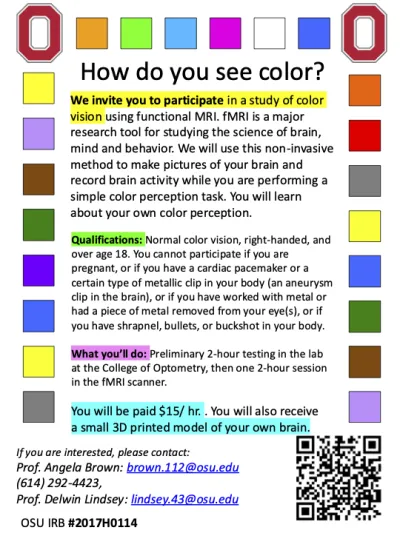
The Color Cognition Lab aims to understand how people perceive, understand, name, and communicate about the colors of things in the environment. We use behavioral (naming, sorting and identification) and computational techniques to study within- and cross-cultural variation in how people understand and communicate about color, and we use brain imaging to study the physiological basis of the perception and understanding of color.
Highlighted Publications
Participate in a Study
Aubrey Moe
Social Neuroscience and Interpersonal Processes in Psychopathology
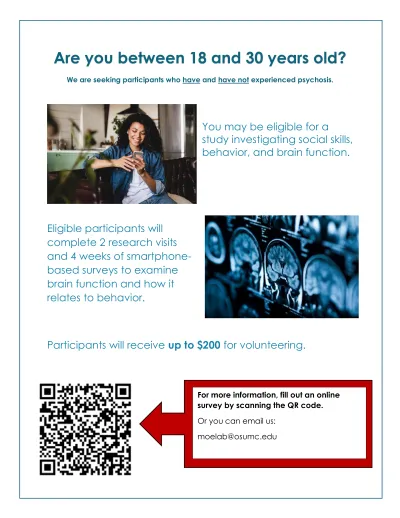
The Social Neuroscience and Interpersonal Processes in Psychopathology Lab focuses on social and interpersonal processes among youth and young adults who are experiencing psychopathology or other psychological difficulties. We utilize a variety of methodologies, including clinical assessment, functional neuroimaging, language and natural language processing, and ambulatory assessment. The overarching goal of the SNIPP Lab is to leverage translational science to understand how social and interpersonal processes may go awry among individuals with psychopathology so we can better understand when and how to most effectively intervene.
Highlighted Publications
Moe, A.M., Blain, S.D, Kalathil, A., Peltier, S., Colombi, C., Thakkar, K.N., Burton, C.Z, & Tso, I.F. (2025). Contributions of the posterior cerebellum to mentalizing and social functioning: A transdiagnostic investigation. Psychological Medicine, 55, e67.
Kemp, K.C., Tso, I.F., Taylor, S.F., Moe, A.M. (2025). Social stress in schizophrenia: Unique contributions to social cognition and social functioning. Schizophrenia Research, 276, 167-174.
Kilicoglu, M.F.V., Lundin, N.B, Angers, K., & Moe, A.M. (2024). Narrative-derived indices of metacognition among people with schizophrenia: Associations with self-reported and performance-based social functioning. Behavioral Sciences, 14(4), 265.
Participate in a Study
David Osher
Cognition and Brain Circuitry Lab
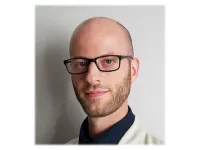
The Cognition and Brain Circuitry Laboratory aims to understand the relationship between brain connectivity, function, and behavior, with a special focus on visual perception and attention.
We do this through a variety of machine learning techniques, enabling us to use a subject's own, unique brain connectivity pattern, to parcellate their brain into meaningful units, predict how their brains will respond to new stimuli, and even predict their behavior.
We use a combination of behavioral assessments, eye-tracking, functional and diffusion neuroimaging, and computational modeling.
Ruchika Prakash
Clinical Neuroscience Lab
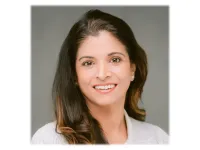
The Clinical Neuroscience Lab seeks to assess the efficacy of psychosocial lifestyle interventions, including physical activity and mindfulness meditation, in improving cognitive and affective functioning in clinical and healthy populations. The lab’s research utilizes resting state and task-based functional connectivity to elucidate potential mechanisms underlying change from healthy lifestyle behaviors.
Meet the CNL video
Highlighted Publications
Fountain-Zaragoza, Samimy, Rosenberg, & Prakash. (2019). Connectome-based models predict attentional control in aging adults. Neuroimage, 186,1-13.
Manglani, Samimy, Schirda, Nicholas, & Prakash. (2020). Effects of 4-week mindfulness training versus adaptive cognitive training on processing speed and working memory in multiple sclerosis. Neuropsychology, 34,591-604.
Zeynep Saygin
Z-Lab
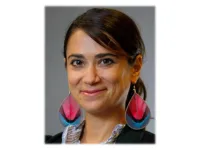
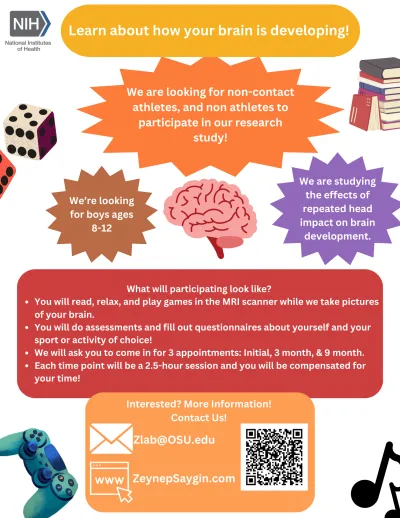
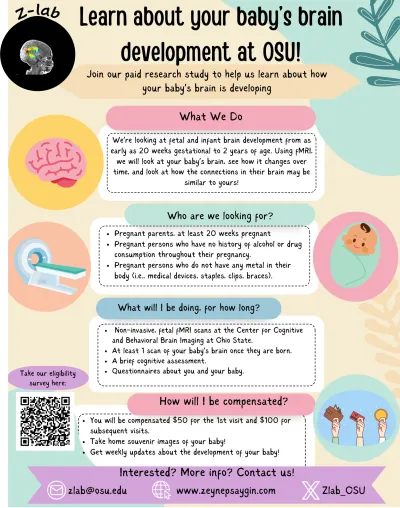
The Z-Lab studies Developmental Cognitive Neuroscience. We use longitudinal neuroimaging and computational modeling to investigate the developing human brain, answering questions like: What are the brain building blocks that we are born with, how do they change with maturation and experience, and can we use this information to predict the development of individual abilities later in life?
Meet the Z-Lab video
Highlighted Publications
Saygin, Z.M, Norton, E.S, Osher, D.E., Beach, S.D., Cyr, A.B., Ozernov-Palchik, O., Yendiki, A., Fischl, B., Gaab, N., & Gabrieli, J.D.E. (2013). Tracking the Roots of Reading Ability: White Matter Volume and Integrity Correlate with Phonological Awareness in Prereading and Early-Reading Kindergarten Children. Journal of Neuroscience, 33 (33): 13251-13258.
Saygin, Z., Osher, D., Norton, E. et al. (2016). Connectivity precedes function in the development of the visual word form area. Nature Neuroscience. 19: 1250–1255.
Li, J., Osher,D.E., Hansen, H.A., & Saygin, Z.M. (2020) Innate connectivity patterns drive the development of the visual word form area. Scientific Reports doi: 10.1038/s41598-020-75015-7
Participate in a Study
Brynn Sherman
Moments Lab
The Moments Lab explores how the mind and brain link together moments in time to form new memories. We are specifically interested in how it is that we are able to extract structure across related experiences, and how that structure then influences the way we encode new experiences into memory. We employ behavioral, neuroimaging (fMRI and EEG), and computational approaches to these questions.
Highlighted Publications
Dylan Wagner
Interpersonal Social Cognitive Neuroscience Lab
The Wagner Interpersonal Social Cognitive Neuroscience Lab studies how the brain encodes and retrieves socially relevant information. The lab uses naturalistic neuroimaging to investigate how personality and attitudes shape people’s perception of strangers, friends, fictional characters and—more recently—AI chatbots. Another line of research in the lab focuses on the neural basis of self-regulation failure in the domains of eating and addiction.
Highlighted Publications
Broom, T. W., & Wagner, D. D. (2023). The boundary between real and fictional others in the medial prefrontal cortex is blurred in lonelier individuals. Cerebral Cortex 33(16): 9677–9689.
Broom, T.W., Stahl, J.L., Ping, E.E.C., Wagner, D.D. (2022). They Saw a Debate: Political Polarization Is Associated with Greater Multivariate Neural Synchrony When Viewing the Opposing Candidate Speak Journal of Cognitive Neuroscience 35(1):60-73.
Broom, T.W., Chavez, R.S., Wagner, D.D. (2021). Becoming the King in the North: Identification with Fictional Characters is Associated with Greater Self-Other Neural Overlap. Social Cognitive and Affective Neuroscience 16(6):541–551.
Baldwin Way
Social & Affective Immunology Lab
The Social & Affective Immunology Lab's research is focused on how psychological factors (e.g. stress; valence weighting bias) trigger the immune system and also how the immune system can alter emotions and decision-making. They use both pharmacological (acetaminophen; ibuprofen; typhoid vaccination) and endogenous measures (e.g. C-Reactive Protein) of immune function. They are also conducting a large, longitudinal imaging study of adolescents to look at how geospatial stress exposure alters neural activity and predicts future substance use.
Meet the Social & Affective Immunology Lab video
Yinan Zhang
Dr. Zhang

Dr. Zhang is a neurologist with subspecialty training in multiple sclerosis and related neuro-immunological disorders of the central nervous system. His research is focused on aging and MS, specifically how clinical and molecular changes related to aging affect disease progression. The goal of his research is to use evidence-based treatment strategies, incorporated with an individual’s aging biology, to improve care for people with MS and optimize their quality of life.
Highlighted Publications
Andonian BJ, Hippensteel JA, Abuabara K, Boyle EM, Colbert JF, Devinney MJ, Faye AS, Kochar B, Lee J, Litke R, Nair D, Sattui SE, Sheshadri A, Sherman AN, Singh N, Zhang Y, LaHue SC. Inflammation and aging-related disease: A transdisciplinary inflammaging framework. Geroscience. 2025 Feb;47(1):515-542. doi: 10.1007/s11357-024-01364-0. Epub 2024 Oct 1. Review. PubMed PMID: 39352664; PubMed Central PMCID: PMC11872841.
Bahri M, Epstein K, Stevens E, Rosko AE, Maturu S, Zhang Y. Implementing a multidisciplinary approach for older adults with multiple sclerosis: Geriatric neurology in practice. Mult Scler Relat Disord. 2024 Dec;92:105952. doi: 10.1016/j.msard.2024.105952. Epub 2024 Oct 24. PubMed PMID: 39489084; NIHMSID:NIHMS2082064.
Zhang Y, Atkinson J, Burd CE, Graves J, Segal BM. Biological aging in multiple sclerosis. Mult Scler. 2023 Dec;29(14):1701-1708. doi: 10.1177/13524585231204122. Epub 2023 Oct 25. Review. PubMed PMID: 37877740; PubMed Central PMCID: PMC10843499.