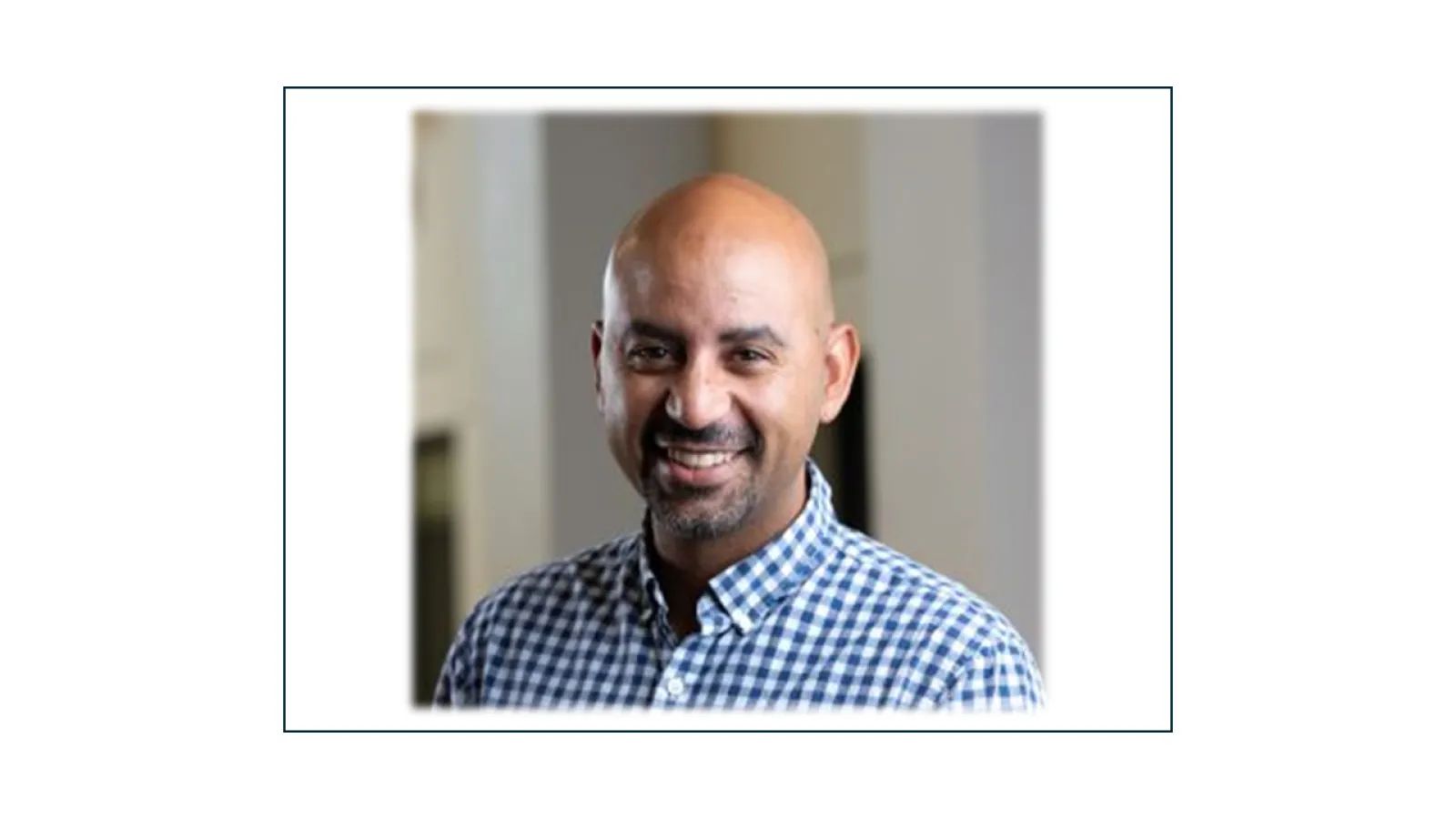
Dr. Taraz Lee is the speaker for CCBBI's fMRI Talk Series on March 6, 2026.
Cognition, Control, and Action: the multifaceted interplay between cognitive and motor systems
Abstract: Cognitive Control is a term used to describe the ability to flexibly adapt information processing and behavior in the service of our goals by exerting cognitive effort to overcome our habits and automatic thoughts/actions. My lab is fundamentally interested in the neural mechanisms that support these top-down processes and how they interact with motivation, learning, memory, and skilled action. How do cognitive control processes like working memory and selective attention shape ongoing motor behavior and how do processes canonically thought to be important for motor control shape cognition? In our investigations we use a multifaceted approach combining carefully designed behavioral experiments, computational modeling, functional magnetic resonance imagining (fMRI), and non-invasive brain stimulation via transcranial magnetic stimulation (TMS).
Bio: Dr. Lee is an Associate Professor of Psychology at the University of Michigan and leads the Cognition, Control, and Action Lab.
The COCOA Lab interests: "We are fundamentally interested in the cognitive and neural processes that contribute to learning, motivation, control, and performance in a variety of contexts. In our investigations we use a multifaceted approach combining carefully designed behavioral experiments, computational modeling, functional magnetic resonance imagining (fMRI), and non-invasive brain stimulation via transcranial magnetic stimulation (TMS)."